 Denys Rudenko
What if an hour of work traded like a security?
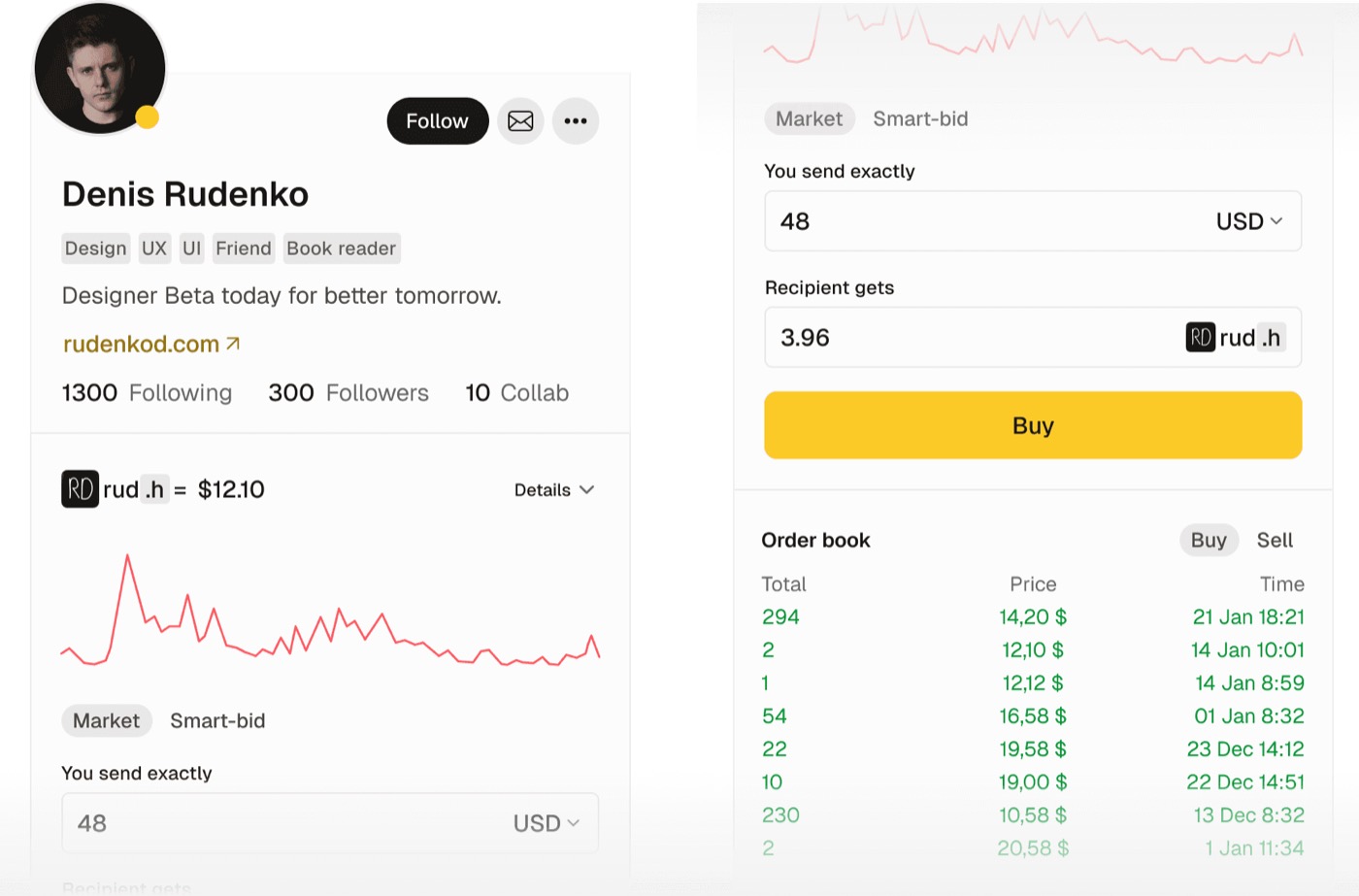
An essay and a set of UX flows for an antifragile market for time. The core currency is a personal, decentralised “.hour” token, like my rud.hour, which can be sold, traded or invested. It isn't a literal hour of your life: it's a measure of expertise and completed work.
Why a token and not another platform
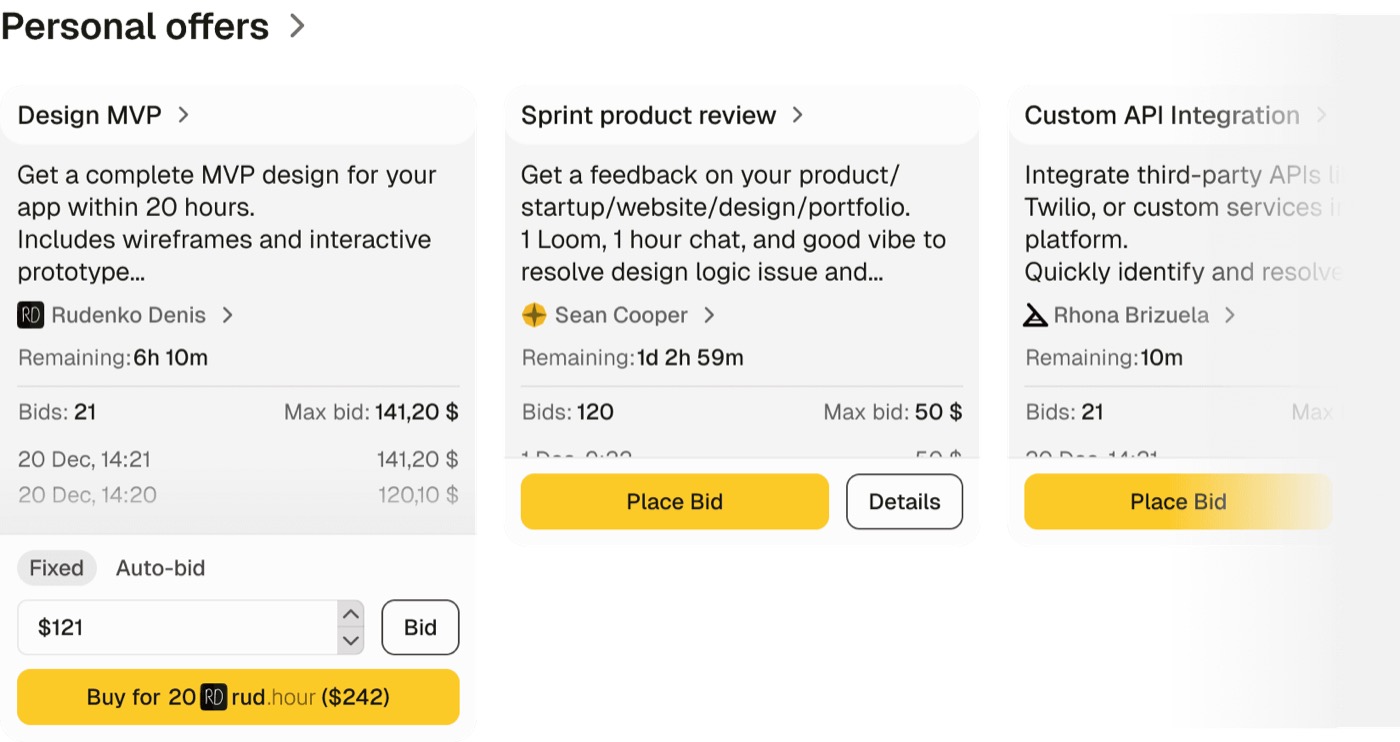
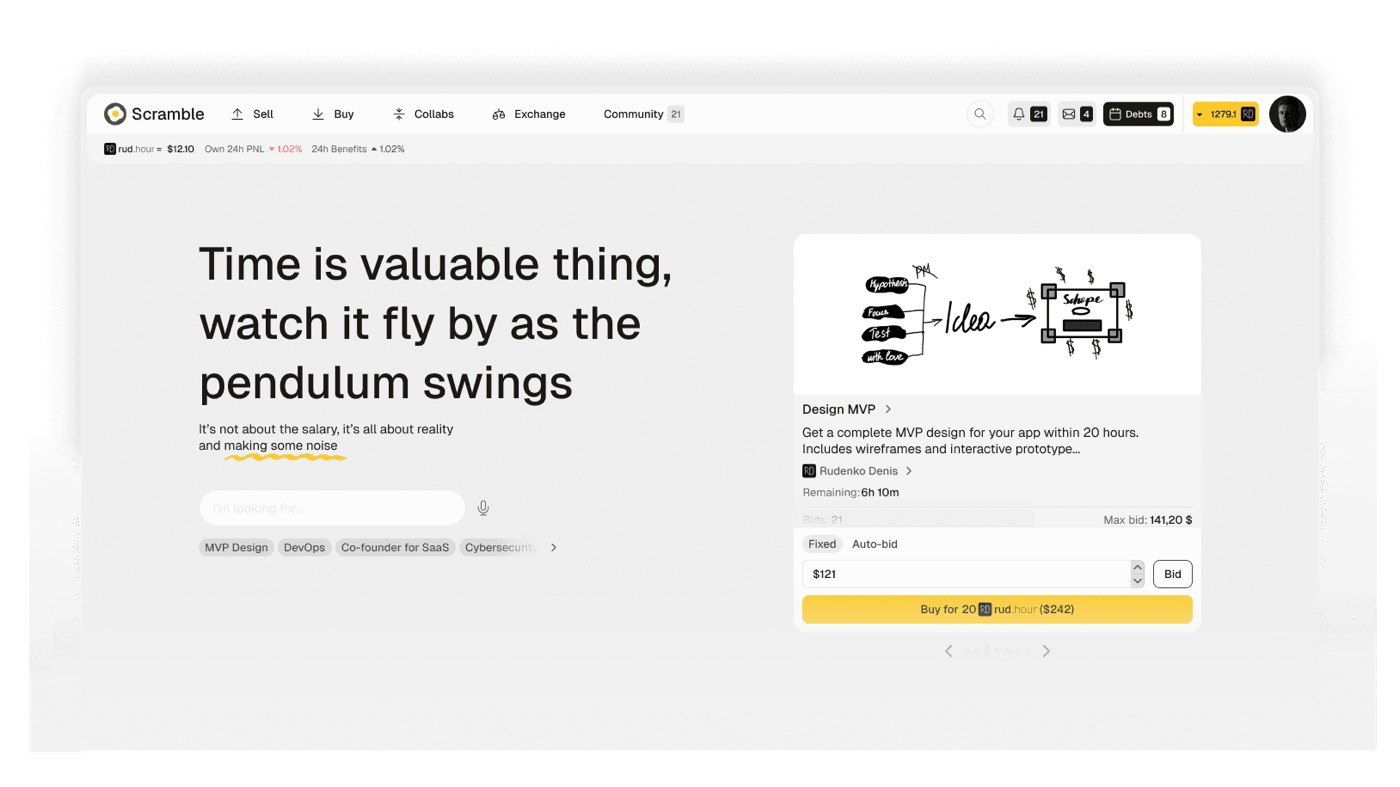
What exists so far: the essay below and a first set of UX flows, a profile with its .hour token, offers, and a market screen where hours are bought with a smart bid.
- DecentralisationNo middlemen imposing fees or dictating conditions.
- Accountability for timeTokens reflect your involvement and skill, so both sides care about their reputation and the outcome.
- CommunityFind partners, build teams and exchange services transparently.
The price of work moves like a market, but we hide the data
There's a correlation between stock markets and the price of work. We try to simplify, yet when money and work are involved, hiding data backfires, especially when it comes to responsibility for each task.
What actually triggers a hire?
Modern analytics of a “work unit” pile up: CVs, average wages, hard and soft skills, the first message in a chat, recommendations, social presence. Which of these truly trigger hiring? Who calculates the correlations, and is that math reliable?
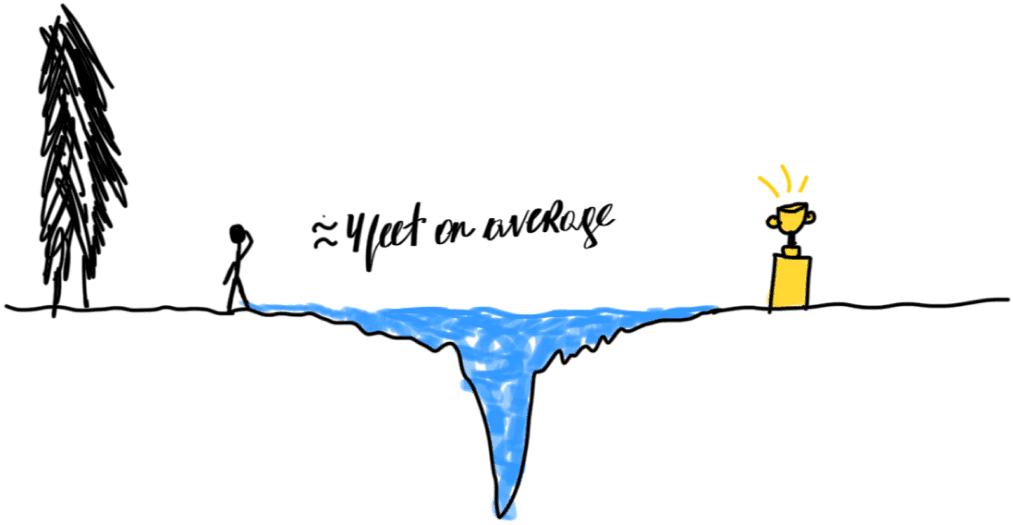
“Don't cross a river because it is four feet deep on average.” (N. Taleb)
People get rated from 1 to 10; CVs, AI summaries, interviews, portfolios and expectations all vary, and everyone has their own deal-breakers. The constant is the job at hand and how to guarantee it gets done. In the end, hiring is forecasting.
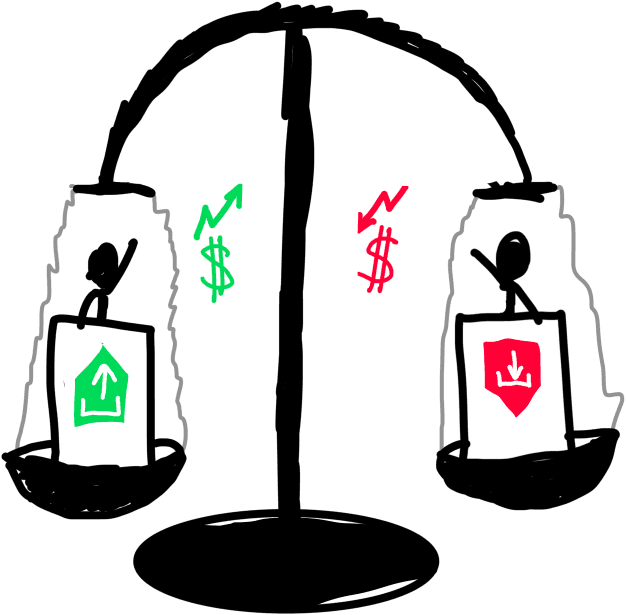
Why aren't people traded like securities?
It can feel unethical, too close to renting labour. Real responsibility has to be shared, not pre-assigned, and the abstractions we use instead turn into time tracking and pitching. For some, it's simply the fear of owning their time.
A human-hour is an option on delivered work
A human-hour acts like an option: it can be used, exchanged or sold within a timeframe to obtain a service. Its price moves with volatility, and that volatility is itself a signal of how likely the work is to actually be redeemed.
Deciding whom to buy from or sell to gets simpler when you look at the chance of risk rather than the chance of success.
- The Silver RuleDon't treat others in a way you wouldn't want to be treated.
- The Golden RuleTreat others the way you would like to be treated.